


Because when we love the planet, we also protect the water that sustains it.
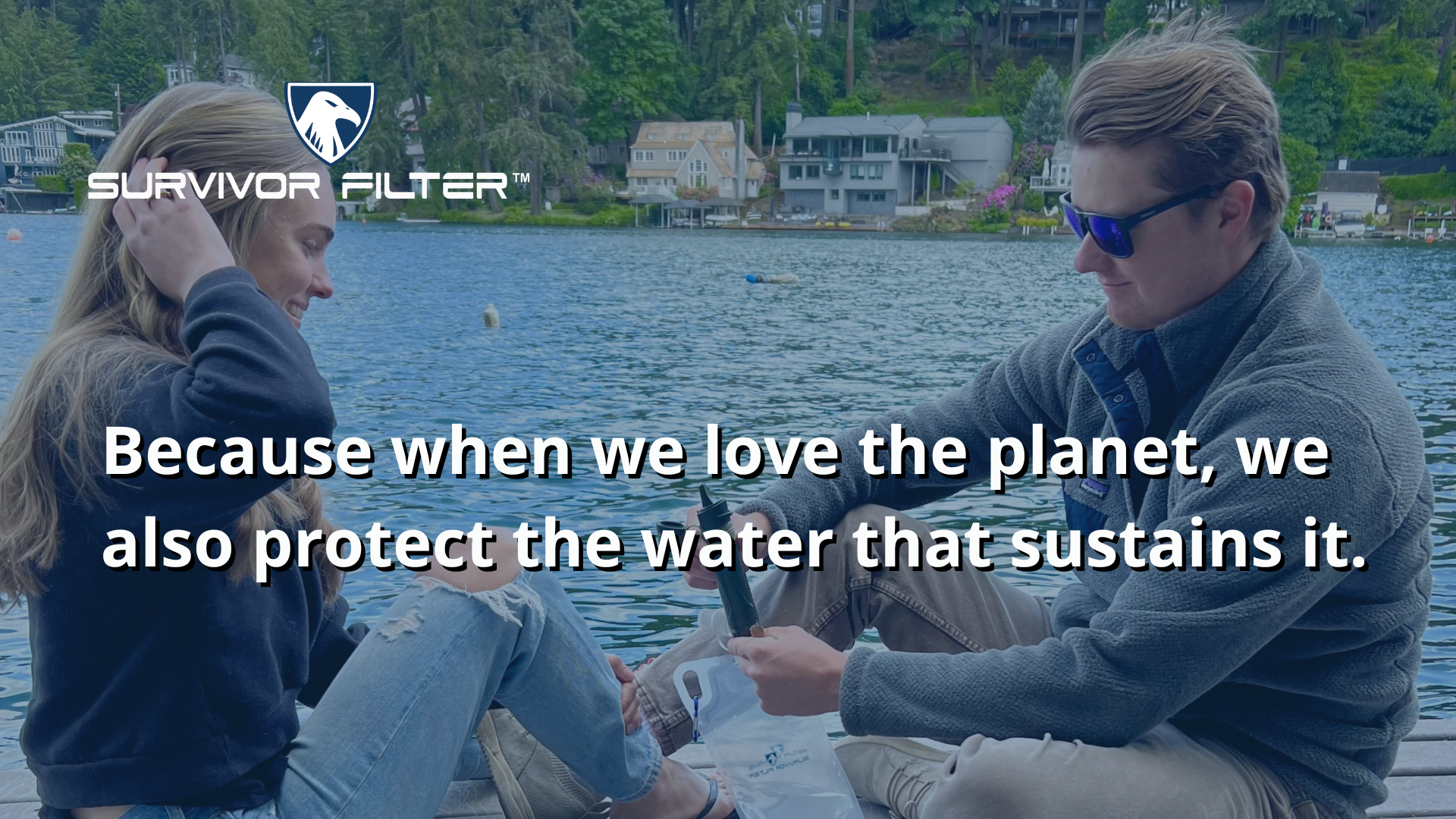
Water is life. Every drop we drink, cook with, and depend on connects us directly to the health of our planet. Loving the planet means protecting the natural resources that sustain us and clean water is one of the most important of them all.
Yet around the world, water sources face growing threats. Pollution, natural disasters, aging infrastructure, and environmental degradation can all contaminate drinking water. Even in places where water appears clear, harmful bacteria, parasites, and microplastics can still be present.
Protecting your water is not just about personal health it’s also about protecting the planet.
Why Clean Water Matters for a Healthy Planet
Healthy ecosystems rely on clean water. Rivers, lakes, and groundwater systems support wildlife, agriculture, forests, and human communities. When water becomes contaminated, the effects ripple far beyond a single household.
Unsafe water can harm ecosystems, damage crops, and put communities at risk. By becoming more aware of our water sources and choosing sustainable solutions, we can reduce waste, limit pollution, and help preserve the planet’s most vital resource.
Reducing Plastic Waste Starts with Your Water
One of the biggest environmental challenges today is single-use plastic bottles. Millions of bottles are used every day, and many end up in landfills, rivers, and oceans.
Using water filtration systems, Survivor Filter helps reduce the need for bottled water. By filtering water at home or on the go, individuals and families can dramatically reduce plastic waste while still enjoying clean, safe drinking water.
It’s a small change with a big environmental impact.
Preparedness Protects People and the Planet
Natural disasters like hurricanes, floods, and earthquakes can disrupt clean water access in an instant. In emergency situations, having the ability to filter water can make the difference between safety and risk.
Portable water filtration solutions allow people to turn natural water sources into drinkable water without relying on disposable plastic bottles or energy-intensive purification systems. This makes them not only practical for emergencies but also environmentally responsible.
Everyday Habits for Sustainable Water
1. Fix Leaks Immediately
A dripping faucet or running toilet may seem minor, but over time it can waste thousands of liters of water. Regularly check and repair leaks at home.
2. Take Shorter Showers
Cutting just 2–3 minutes off your daily shower can save a significant amount of water each month.
3. Turn Off the Tap While Brushing
Don’t let water run while brushing your teeth, shaving, or washing dishes. Turning it off when not actively using it saves liters every day.
4. Install Water-Efficient Fixtures
Low-flow showerheads, faucets, and dual-flush toilets reduce water use without sacrificing performance.
5. Collect Rainwater
Rainwater harvesting systems can be used for watering plants, cleaning outdoor areas, and other non-drinking purposes.
6. Water Plants Wisely
Water your garden early in the morning or late in the afternoon to reduce evaporation. Use drip irrigation systems for better efficiency.
7. Choose Native Plants
Native plants require less water because they are naturally adapted to your local climate.
8. Avoid Overusing Chemicals
Fertilizers, pesticides, and harsh cleaning products can run off into waterways. Choose eco-friendly alternatives whenever possible.
9. Wash Full Loads Only
Run your washing machine and dishwasher only when they are full to maximize water efficiency.
10. Be Mindful of Food Waste
Producing food requires large amounts of water. Reducing food waste indirectly conserves water used in agriculture.
11. Properly Dispose of Waste
Never pour oil, paint, or medications down the drain. These can contaminate water systems and harm aquatic life.
12. Support Sustainable Brands
Choose companies that prioritize water conservation, sustainable sourcing, and eco-friendly manufacturing.
Water Stewardship: A Commitment Beyond Consumption
Loving the planet means becoming active stewards of our water sources not just consumers. Water stewardship involves protecting rivers, lakes, and groundwater from pollution, overuse, and neglect. It’s about recognizing that water is not unlimited and treating it as the precious resource it truly is.
The Ripple Effect of Clean Water
When we protect water, the benefits extend far beyond our homes. Clean water supports agriculture, protects wildlife, strengthens communities, and reduces healthcare burdens. One responsible choice like reducing plastic waste or using sustainable filtration creates a ripple effect that impacts ecosystems and future generations.